


If the Safari app is missing from your iPhone Home Screen, you can find it in the App Library, search for it using Spotlight, or check whether its Home Screen page is hidden. You can then add Safari back to your Home Screen or move it to the Dock.
Why Is Safari Missing from My iPhone?
Safari may be missing because it was moved to another Home Screen page, placed inside a folder, or the page containing it was hidden. Screen Time restrictions can also prevent Safari from appearing.
If you cannot find Safari in the App Library or Spotlight Search, check your Screen Time settings before resetting the Home Screen layout.
How to Put Safari Back on Your Home Screen
1. Add Safari from the App Library
The App Library contains your installed apps, even when an app isn’t currently visible on the Home Screen.
- Swipe left past all Home Screen pages to open the App Library.
- Open the Utilities folder and look for the Safari app.
- Touch and hold an empty area on the screen until the app icons start jiggling.
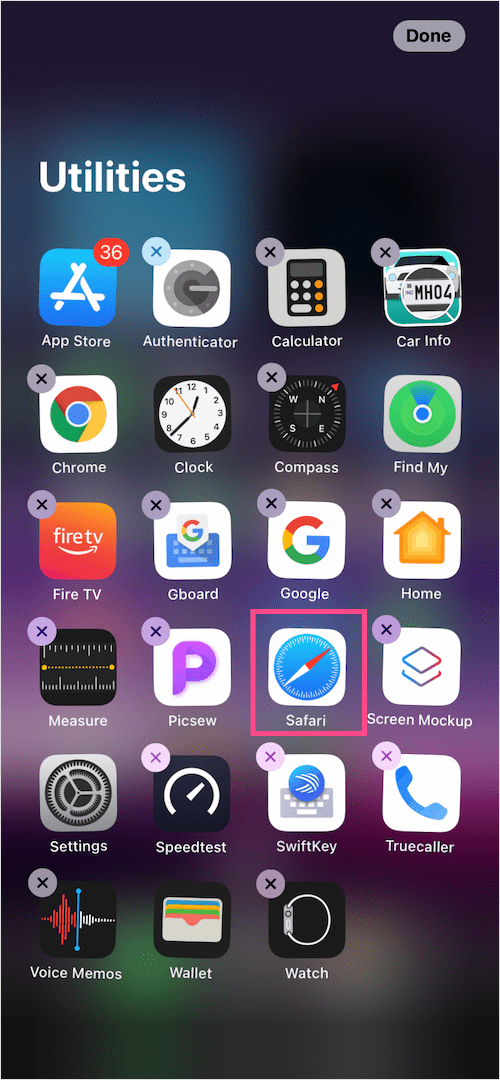
- Drag the Safari app icon to your preferred Home Screen page or Dock.
- Tap Done in the top-right corner.
Alternatively, search for Safari in the App Library, touch and hold the Safari icon, and add the app back to the Home Screen.
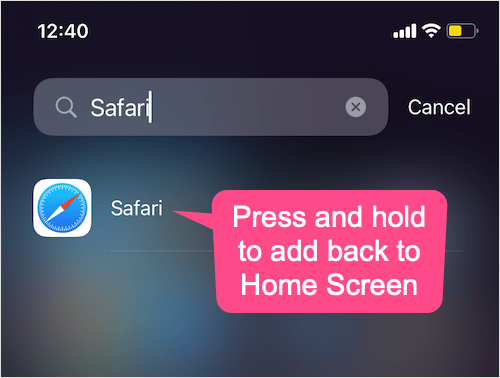
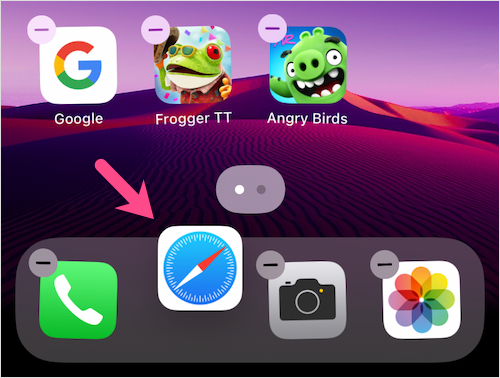
You can also search for Safari in the App Library. Touch and hold the Safari icon and select Add to Home Screen.
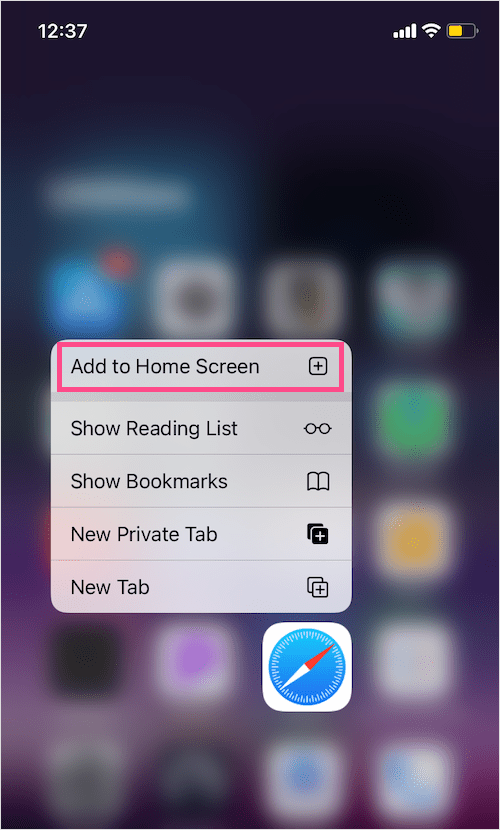
Note: If Add to Home Screen does not appear, Safari may already be on a Home Screen page, inside a folder, or on a hidden page.
2. Find Safari Using Spotlight Search
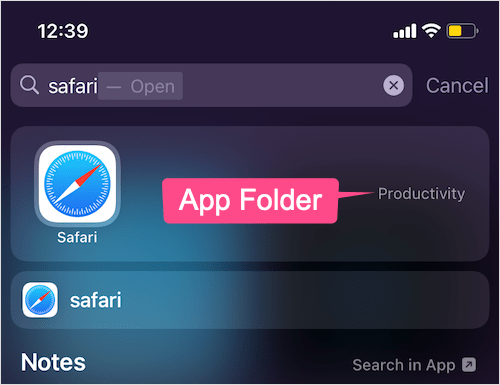
You can also use Spotlight Search to locate Safari on your iPhone.
- Swipe down from the middle of the Home Screen.
- Type Safari in the search field.
- Tap Safari in the search results to open the app.
If Spotlight shows Safari inside a folder, open that folder and move the Safari icon to your preferred location on the Home Screen.
3. Check for a Hidden Home Screen Page
Safari may be on a hidden Home Screen page. Unhide the page to access Safari.
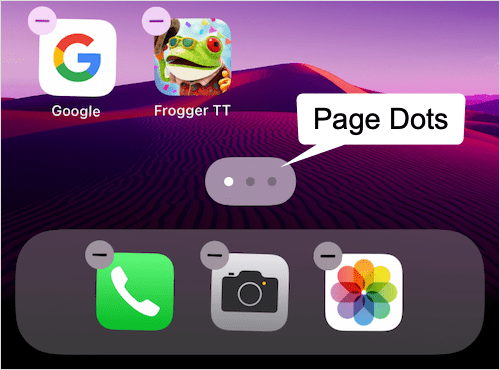
- Touch and hold an empty area of the Home Screen until the app icons start to jiggle.
- Tap the page dots near the bottom of the screen.
- Find the hidden Home Screen page where the Safari app is located.
- Tap the circle below the page to make it visible.
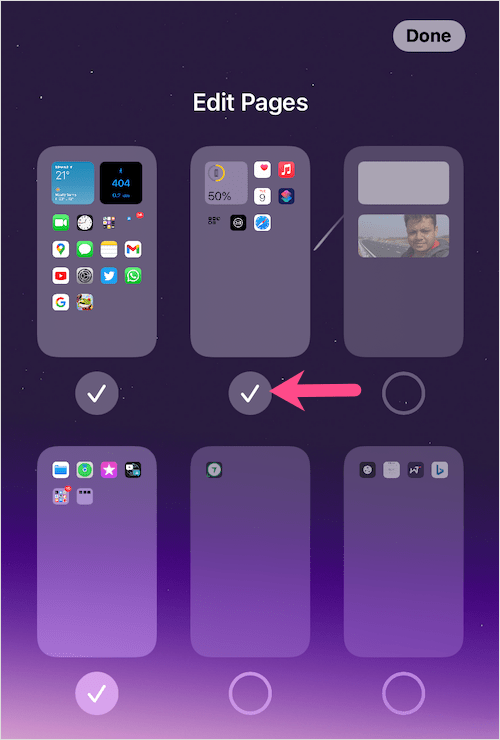
- Tap Done or the checkmark in the top-right corner.
Once the page is visible, find Safari and move it to your preferred location if needed.
4. Reset the Home Screen Layout
If you still cannot find Safari, resetting the Home Screen layout can restore the default arrangement of built-in apps and other apps.
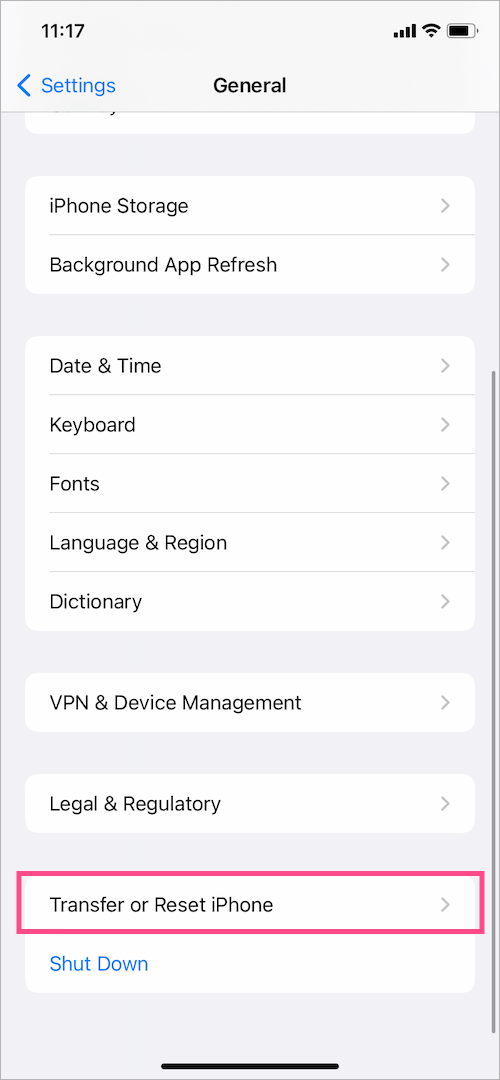
- Go to Settings > General.
- Scroll down and tap Transfer or Reset iPhone.
- Tap Reset.
- Select Reset Home Screen Layout.
- Tap Reset Home Screen to confirm.
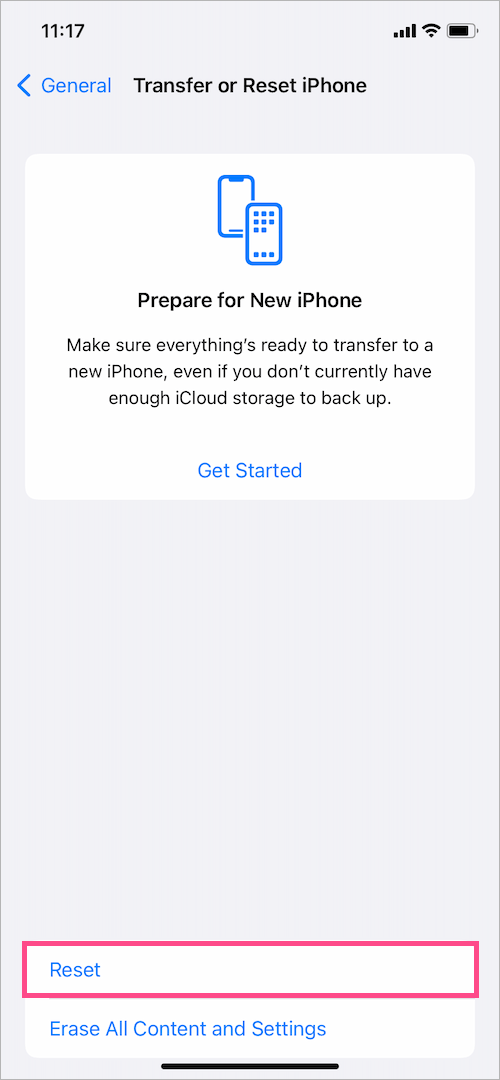
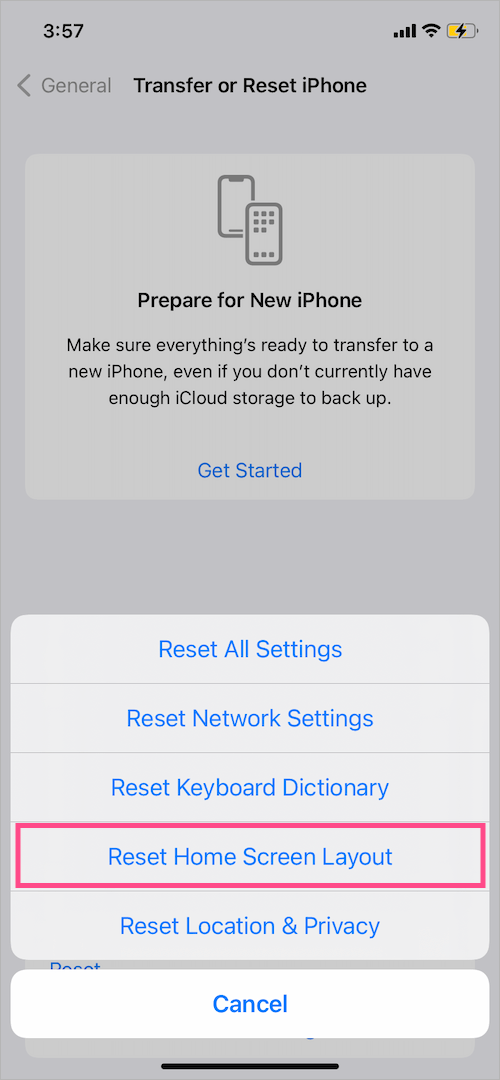
This does not delete your apps or personal data, but it changes the arrangement of apps and folders on the Home Screen.
Check if Safari Is Restricted
If Safari does not appear in the App Library or Search, check whether Screen Time is restricting the app.
- Open Settings.
- Tap Screen Time.
- Tap Content & Privacy Restrictions.
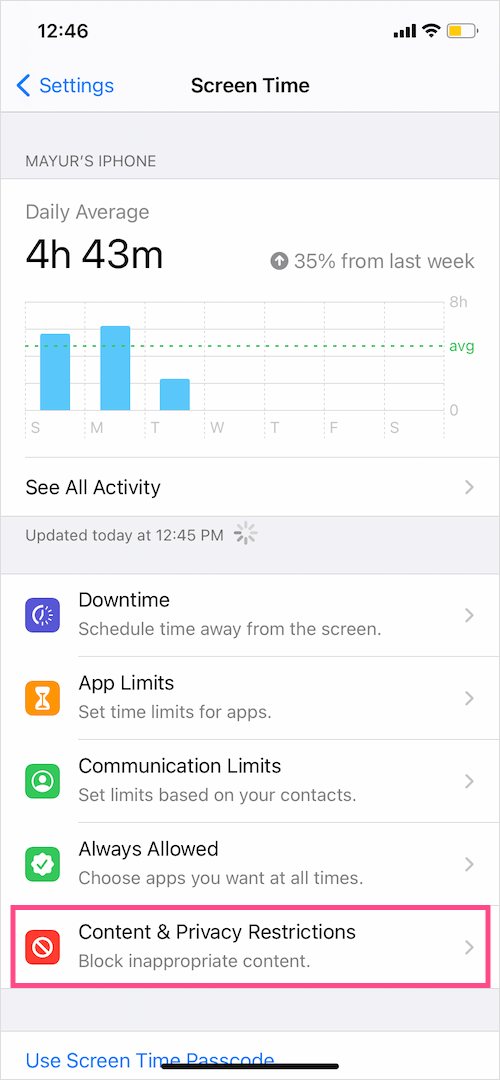
- Make sure the Content & Privacy Restrictions toggle is turned on.
- Tap Allowed Apps & Features.
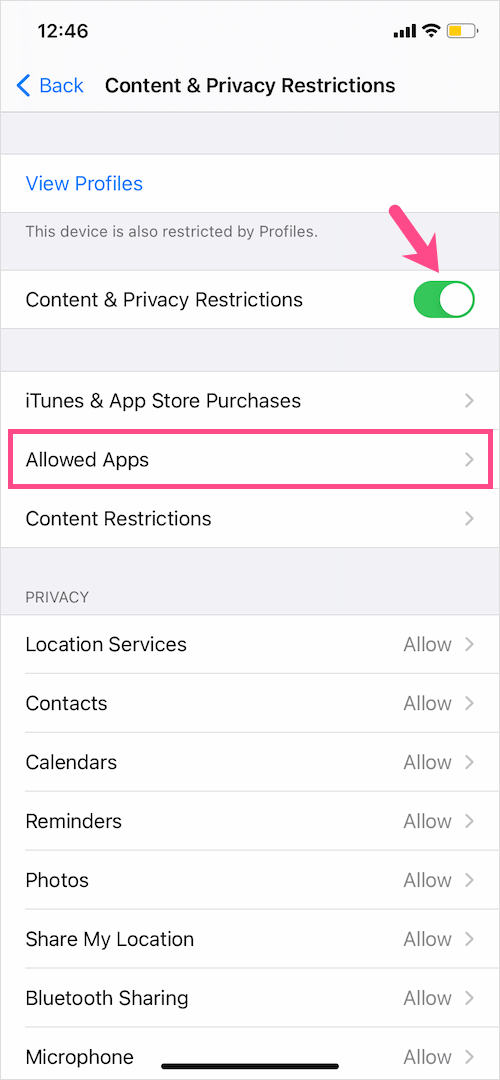
- Make sure Safari is turned on.
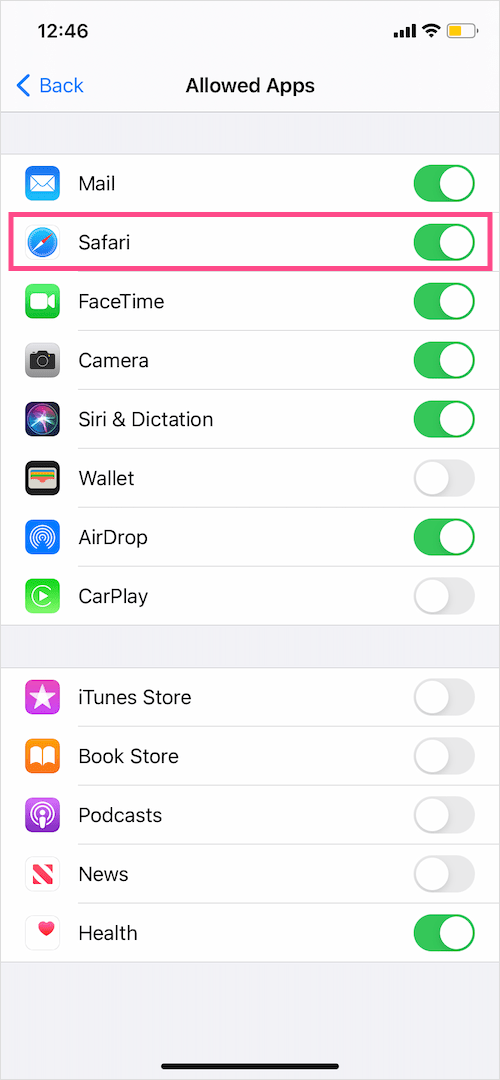
If Safari was restricted, enabling it should make the app available again.
Can You Delete Safari from an iPhone?
Apple currently allows Safari to be deleted from an iPhone in Japan and the European Union under specific conditions. If Safari was deleted, you can redownload it from the App Store.
To reinstall Safari:
- Open the App Store.
- Search for Safari.
- Tap the download button next to Safari.
- Open Safari after the installation finishes.
If you did not delete Safari, use the methods above to locate it on your iPhone.
Related Guides
- How to Add Messages App Back to iPhone Home Screen
- How to Add the Phone App Back to iPhone Home Screen
- How to Add All Apps Back to the iPhone Home Screen







Thank you! There were many other sites whose only solution was to reset the home screen which, apparently, reverts it to factory settings! I did not want that.
Your solution to restore the (in my case) Safari icon was fast, easy, and accurate!
I knew there had to be a better way!
Thank you, again!